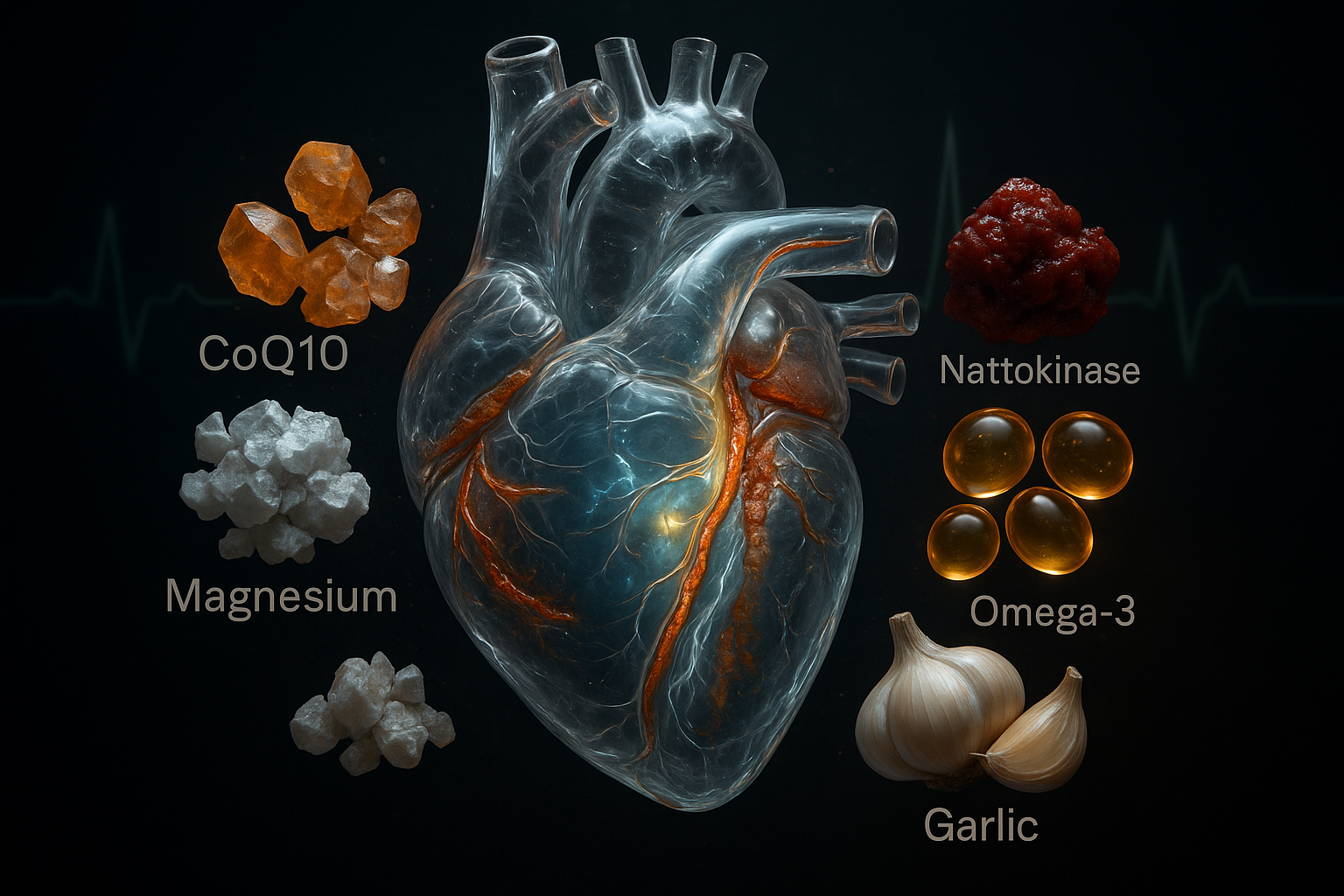
Cardiovascular Disease: A Nutritional Deficiency, Not a Statin Deficiency
Heart disease is the leading cause of death worldwide, yet it is overwhelmingly a disease of modern civilization — driven by nutrient-depleted diets, chronic inflammation from industrial food processing, sedentary lifestyles, and environmental toxin exposure. Traditional cultures consuming whole, unprocessed foods have negligible rates of cardiovascular disease regardless of their fat intake, as documented by Weston Price's landmark studies of isolated traditional populations in the 1930s and modern epidemiological analyses of blue zones.
The dominant paradigm of "high cholesterol causes heart disease" has been thoroughly challenged by the scientific evidence. Cholesterol is a vital molecule — every cell membrane requires it, every steroid hormone (testosterone, estrogen, cortisol, vitamin D) is synthesized from it, and the brain is 25% cholesterol by dry weight. The body produces 80% of its cholesterol endogenously, precisely regulating levels because cholesterol is essential, not dangerous.
The actual drivers of cardiovascular disease are: chronic inflammation (oxidized LDL + endothelial damage), endothelial dysfunction (loss of nitric oxide production), arterial calcification (vitamin K2 deficiency), mitochondrial dysfunction in cardiac muscle (CoQ10 depletion, worsened by statins), magnesium deficiency (affecting cardiac rhythm and vascular tone), omega-3 deficiency (inflammatory membrane composition), and elevated homocysteine (from B-vitamin deficiency impairing methylation). Each of these root causes has a direct nutritional solution.
T1 Supplements — Primary Therapeutic Agents
CoQ10 / Ubiquinol: The Cardiac Energy Molecule
Coenzyme Q10 is present in every mitochondrion and essential for ATP synthesis in the electron transport chain (complexes I, II, and III). The heart, as the most metabolically demanding organ (beating 100,000 times daily, never resting), has the highest CoQ10 concentration and the greatest sensitivity to CoQ10 depletion. Cardiac CoQ10 levels decline 50% by age 70 compared to age 20.
Critically, statin drugs (HMG-CoA reductase inhibitors) block the mevalonate pathway, which produces BOTH cholesterol AND CoQ10. Every statin user is CoQ10 depleted by design — the same pathway inhibition that lowers cholesterol also reduces CoQ10 synthesis by 40-50%. This creates a cruel irony: drugs prescribed to protect the heart systematically deplete the nutrient most essential for cardiac energy production, contributing to the myalgia (muscle pain), fatigue, and cardiomyopathy observed in statin users.
The Q-SYMBIO study (Mortensen et al., 2014) — a double-blind, randomized trial of 420 patients with heart failure — demonstrated that CoQ10 (100mg 3x/day, 300mg total) for 2 years reduced cardiovascular mortality by 43%, all-cause mortality by 42%, and heart failure hospitalizations by 43% compared to placebo. These are extraordinary results that no heart failure drug has matched. Langsjoen & Langsjoen (2014) have published extensively on CoQ10 reversal of statin-induced cardiomyopathy and diastolic dysfunction.
Protocol: Ubiquinol (reduced form) 200-400mg daily in divided doses with fat-containing meals. Ubiquinol is 3-8x more bioavailable than ubiquinone (oxidized form). For active cardiovascular conditions, 300-400mg; for prevention, 100-200mg. If on statins, CoQ10 supplementation is not optional — it is essential to prevent drug-induced cardiac damage. Effects on cardiac function are measurable by echocardiography within 3-6 months.
Magnesium: The Natural Calcium Channel Blocker
Magnesium is nature's calcium channel blocker. It relaxes vascular smooth muscle (reducing blood pressure), prevents coronary artery vasospasm (a cause of variant/Prinzmetal angina and sudden cardiac death), maintains normal cardiac rhythm (anti-arrhythmic), and regulates calcium transport in cardiomyocytes (preventing the calcium overload that triggers arrhythmias and contractile dysfunction).
Subclinical magnesium deficiency affects an estimated 50-80% of the population due to soil depletion (industrial farming has reduced crop magnesium content by 20-30% since 1950), food processing (refining wheat to white flour removes 85% of magnesium), and dietary patterns. DiNicolantonio et al. (2018) published a comprehensive review establishing subclinical magnesium deficiency as a principal driver of cardiovascular disease, arguing it is the most underestimated cardiovascular risk factor.
In the landmark MAGICA trial, IV magnesium sulfate administered during acute myocardial infarction reduced mortality by 54% (Woods et al., 1992). Oral magnesium supplementation consistently reduces blood pressure by 5-15 mmHg systolic and 3-10 mmHg diastolic in hypertensive individuals (Kass et al., 2012 meta-analysis of 22 trials).
Protocol: Magnesium glycinate or taurate 400-800mg elemental daily in divided doses (morning and evening). Taurate form is specifically preferred for cardiovascular applications because taurine itself stabilizes cardiac membranes, has anti-arrhythmic properties, and improves heart failure outcomes (Schaffer et al., 2010). For acute arrhythmia or muscle cramps, magnesium threonate or citrate provides faster absorption. Transdermal magnesium (oil or Epsom salt baths, 2 cups in warm bath for 20 min) provides supplemental absorption through skin.
Omega-3 (EPA + DHA): The Anti-Inflammatory Membrane Shift
Omega-3 fatty acids replace arachidonic acid (AA, an omega-6 proinflammatory precursor) in cell membrane phospholipids. This membrane composition shift changes the entire inflammatory cascade — cells with higher EPA/DHA content produce fewer inflammatory prostaglandins (PGE2), thromboxanes (TXA2), and leukotrienes (LTB4) and more anti-inflammatory resolvins, protectins, and maresins. The GISSI-Prevenzione trial (1999) demonstrated that 1g/day EPA+DHA reduced cardiovascular mortality by 30% and sudden cardiac death by 45% in post-MI patients.
The REDUCE-IT trial (Bhatt et al., 2019) showed that high-dose EPA (4g/day icosapent ethyl) reduced major adverse cardiovascular events by 25% in statin-treated patients with elevated triglycerides — a result so dramatic it led to FDA approval of prescription EPA for cardiovascular risk reduction.
Protocol: 2-4g EPA+DHA daily from high-quality fish oil, krill oil, or algal omega-3. For cardiovascular protection, EPA-dominant formulations (2:1 or 3:1 EPA:DHA ratio) are preferred. Take with the largest meal of the day for fat-mediated absorption. Pair with vitamin E (mixed tocopherols, 200-400 IU) to prevent PUFA peroxidation.
Nattokinase: The Fibrinolytic Enzyme
Nattokinase is a serine protease enzyme extracted from natto (Japanese fermented soybeans), discovered by Dr. Hiroyuki Sumi in 1987. It directly dissolves fibrin clots through fibrinolysis — a fundamentally different mechanism than anticoagulants (which prevent clot formation) or antiplatelets (which prevent platelet aggregation). Nattokinase has the unique ability to address existing clots and fibrin deposits while also inhibiting PAI-1 (plasminogen activator inhibitor-1), thereby enhancing the body's endogenous clot-dissolving system.
Kurosawa et al. (2015) demonstrated that a single dose of nattokinase enhanced fibrinolytic activity for 8-12 hours. Kim et al. (2008) showed that 2000 FU/day nattokinase significantly reduced fibrinogen, factor VII, and factor VIII levels — all independent cardiovascular risk factors. For atherosclerosis, nattokinase's fibrinolytic action may help dissolve the fibrin component of arterial plaques.
Protocol: 2000-4000 FU (fibrinolytic units) daily, taken on empty stomach (away from meals to prevent enzyme digestion). Take in the evening — cardiovascular events peak in the early morning hours (4-10am), and evening dosing provides peak fibrinolytic activity during this vulnerable window. Start at 2000 FU; increase to 4000 FU for active cardiovascular conditions or high fibrinogen levels. Those on blood-thinning medications should work with a knowledgeable practitioner to adjust dosing.
T2 Supplements — Targeted Support
Aged Garlic Extract (AGE)
Aged garlic extract (Kyolic and similar products) is produced by aging raw garlic in ethanol for 20+ months, converting harsh allicin into the more stable and bioavailable compound S-allylcysteine (SAC). Ried et al. (2016) published a meta-analysis of 20 randomized trials demonstrating that AGE reduces systolic blood pressure by an average of 8.7 mmHg and diastolic by 6.1 mmHg in hypertensive individuals — comparable to first-line antihypertensive medications.
Beyond blood pressure, AGE reduces coronary artery calcium (CAC) scores — a direct measure of atherosclerosis. Budoff et al. (2009) showed that AGE (1200mg/day) significantly slowed the progression of CAC compared to placebo over 12 months. This is remarkable because no drug has demonstrated reversal or even significant slowing of arterial calcification.
Protocol: 1200mg aged garlic extract daily (equivalent to approximately 3-4 cloves fresh garlic but without the GI irritation and odor). Can be taken with or without food. Provides ongoing cardiovascular protection through multiple mechanisms: blood pressure reduction, lipid improvement, antioxidant activity, and anti-atherosclerotic effects.
Hawthorn (Crataegus spp.)
Hawthorn berry, leaf, and flower extract has been used for cardiovascular support since the 1st century (Dioscorides). The active compounds — oligomeric proanthocyanidins (OPCs), flavonoids (vitexin, hyperoside), and triterpene acids — provide positive inotropic effects (strengthen heart contractions), vasodilation, ACE inhibition (natural blood pressure reduction), and antioxidant protection of cardiac tissue.
The SPICE trial (Holubarsch et al., 2008) — a randomized trial of 2681 heart failure patients — found that hawthorn extract (WS 1442, 900mg/day) reduced sudden cardiac death by 39.7% in the subgroup with LVEF 25-35%, though the overall trial result was non-significant. Multiple smaller trials have consistently shown improved exercise tolerance, reduced symptoms, and improved quality of life in heart failure patients (Pittler et al., 2003 Cochrane review).
Protocol: Hawthorn extract 450-900mg daily (standardized to 2.2% flavonoids or 18.75% OPCs). Start with 450mg and increase after 2 weeks. Effects are cumulative — expect noticeable improvements in exercise tolerance and cardiac efficiency over 4-8 weeks. Safe for long-term use.
Vitamin K2 MK-7: Arterial Calcium Traffic Director
Vitamin K2 is the key regulator of calcium distribution in the body. It activates matrix Gla protein (MGP), the most potent inhibitor of arterial calcification known. Without K2, calcium accumulates in arterial walls (atherosclerosis/calcification) while being lost from bones (osteoporosis) — the "calcium paradox." The Rotterdam Study (Geleijnse et al., 2004) demonstrated that high K2 intake reduced coronary heart disease mortality by 57% and aortic calcification by 52% over 10 years.
Knapen et al. (2015) showed that K2 MK-7 (180mcg/day for 3 years) significantly improved arterial stiffness (pulse wave velocity) in postmenopausal women — the first clinical trial demonstrating actual improvement (not just slowing) in vascular elasticity with K2 supplementation.
Protocol: Vitamin K2 MK-7 180-360mcg daily with a fat-containing meal. Higher doses (360mcg) for active arterial calcification or coronary artery calcium scores above zero. Always pair with D3 (5000 IU) for optimal calcium metabolism. MK-7 (from natto fermentation) has a longer half-life (72 hours vs 4-6 hours for MK-4), providing sustained activation of MGP and osteocalcin. Consistency is key — daily dosing maintains the carboxylated (active) pool of K2-dependent proteins.
Vitamin D3
Vitamin D receptors are present on cardiomyocytes, vascular smooth muscle cells, and endothelial cells. D3 regulates the renin-angiotensin-aldosterone system (RAAS) — the primary hormonal regulator of blood pressure. D3 deficiency upregulates renin, leading to elevated angiotensin II and aldosterone, causing vasoconstriction, sodium retention, and hypertension. Pilz et al. (2011) meta-analysis showed that low vitamin D levels increased cardiovascular mortality risk by 57%.
Protocol: 5000 IU D3 daily with K2 and fat. Target serum 25(OH)D: 50-70 ng/mL.
T3 Supplements — Foundation Support
L-Arginine and L-Citrulline: The Nitric Oxide Pathway
Nitric oxide (NO) is the body's master vasodilator, produced by endothelial nitric oxide synthase (eNOS) from the amino acid L-arginine. NO signals vascular smooth muscle to relax, reducing blood pressure; inhibits platelet aggregation, preventing clot formation; prevents leukocyte adhesion to endothelial walls, reducing atherosclerosis initiation; and is the primary mediator of penile erection (erectile dysfunction is an early marker of endothelial dysfunction and cardiovascular disease).
Endothelial dysfunction — the loss of NO production — is the earliest detectable stage of cardiovascular disease, preceding atherosclerosis, hypertension, and coronary events by years to decades. Restoring NO production is foundational to cardiovascular health.
L-citrulline is superior to L-arginine for raising NO because arginine undergoes extensive first-pass metabolism in the liver (arginase enzymes degrade 40-60% before it reaches systemic circulation), while citrulline bypasses hepatic metabolism and is converted to arginine in the kidneys, providing a sustained arginine supply for NO synthesis. Schwedhelm et al. (2008) demonstrated that oral citrulline is more effective than oral arginine at raising plasma arginine levels.
Protocol: L-citrulline 3-6g/day (or citrulline malate 6-8g/day) on empty stomach, split into 2 doses. Alternatively, L-arginine 3-6g/day + L-citrulline 1-2g/day. Dietary nitrate sources (beetroot juice 500mg nitrates/day, arugula, spinach) provide additional NO through the nitrate-nitrite-NO pathway, which is independent of eNOS and becomes more important with aging as eNOS function declines.
Beetroot / Nitrate Supplementation
Dietary inorganic nitrate (from beets, leafy greens) is converted to nitrite by oral bacteria and then to NO in the acidic stomach and systemically under hypoxic conditions. This nitrate-nitrite-NO pathway provides an eNOS-independent source of NO that is particularly important in aged, diseased, or hypoxic tissues where eNOS function is compromised. Webb et al. (2008) showed that 500ml beetroot juice (containing ~500mg nitrate) reduced systolic blood pressure by 10.4 mmHg within 3 hours and sustained the reduction for 24 hours.
Protocol: Concentrated beetroot juice (70ml shot providing 400-500mg nitrate) daily, or beetroot powder supplement (500mg nitrates). Take in the morning. Do not use antibacterial mouthwash, which kills the oral bacteria (Veillonella, Actinomyces) required for nitrate-to-nitrite conversion — this is one reason why mouthwash use is paradoxically associated with increased blood pressure and cardiovascular risk (Joshipura et al., 2017).
Grape Seed Extract (OPC)
Grape seed extract provides oligomeric proanthocyanidins (OPCs) — powerful antioxidants that strengthen blood vessel walls, reduce capillary permeability, and inhibit LDL oxidation (oxidized LDL, not total LDL, is atherogenic). Belcaro et al. (2013) demonstrated that grape seed extract (150mg/day) reduced blood pressure by 6.5% systolic and 5.2% diastolic within 4 weeks. OPCs also inhibit ACE (angiotensin-converting enzyme) and matrix metalloproteinases (MMPs) that degrade the arterial wall.
Protocol: Grape seed extract 150-300mg daily (standardized to 95% OPCs). Can be combined with pine bark extract (Pycnogenol) for complementary OPC profiles.
The Nitric Oxide Pathway: Critical for Overall Health
Nitric oxide's importance extends far beyond blood pressure. NO is essential for:
- Vasodilation: Every blood vessel relies on NO for relaxation and blood flow regulation.
- Erectile function: NO is the initiator of penile erection; ED drugs (sildenafil/Viagra) work by prolonging NO signaling via PDE5 inhibition. Restoring natural NO production addresses the root cause rather than masking the symptom.
- Exercise capacity: NO improves oxygen delivery to muscles, reduces oxygen cost of exercise, and enhances mitochondrial efficiency.
- Immune function: Macrophages produce NO to kill intracellular pathogens (bacteria, parasites, tumor cells).
- Neurotransmission: NO serves as a retrograde neurotransmitter, essential for learning and memory (long-term potentiation).
- Mitochondrial biogenesis: NO stimulates the production of new mitochondria via PGC-1alpha activation.
Dietary Protocol for Cardiovascular Health
- Potassium: 4700mg/day target (most people get <2000mg). Top sources: avocado (975mg), sweet potato (950mg), spinach (840mg/cup cooked), salmon (534mg), banana (422mg). Potassium-to-sodium ratio is more important than sodium restriction alone — a 2:1 potassium:sodium ratio is optimal.
- Sodium: Moderate reduction (2000-3000mg/day). Salt restriction below 2000mg actually INCREASES cardiovascular mortality (Mente et al., 2016 Lancet meta-analysis). Use unrefined sea salt or Himalayan salt (contains 84 trace minerals) rather than refined table salt.
- Dark chocolate: 85%+ cacao, 20-40g daily. Flavanols improve endothelial function, reduce blood pressure, and improve lipid profiles. Buijsse et al. (2010) demonstrated 39% reduction in cardiovascular events with regular dark chocolate consumption.
- Olive oil: Extra virgin, 2-4 tablespoons daily. The PREDIMED trial (Estruch et al., 2018) showed 30% reduction in cardiovascular events with Mediterranean diet supplemented with EVOO. Oleocanthal has ibuprofen-like anti-inflammatory properties; oleuropein is cardioprotective.
- Fatty fish: 3-4 servings weekly (salmon, sardines, mackerel, herring). Provides EPA/DHA in the most bioavailable matrix.
- Beet juice: 250-500ml daily or concentrated shot. Immediate and sustained blood pressure reduction.
Exercise Protocol
- Walking: 30-60 minutes daily. The most underrated cardiovascular intervention. Walking at moderate pace (3-4 mph) reduces all-cause mortality by 30-40% compared to sedentary lifestyle. No gym required.
- Resistance training: 2-3 sessions per week. Increases muscle mass (the largest insulin-sensitive tissue), improves glucose disposal, and provides anti-inflammatory myokine secretion during contraction. Blood pressure response: acute elevation during exercise, sustained reduction at rest.
- HIIT (High-Intensity Interval Training): 1-2 sessions per week. 20-30 seconds all-out effort followed by 90-120 seconds recovery, 6-10 rounds. Maximizes VO2max, mitochondrial biogenesis, and NO production. More time-efficient than steady-state cardio for cardiovascular fitness gains.
- Breathing exercises: Slow breathing (6 breaths/min) for 15 minutes activates the parasympathetic nervous system, reduces blood pressure by 5-10 mmHg acutely, and improves heart rate variability (Bernardi et al., 2001).
References
- Mortensen SA, et al. (2014). The effect of coenzyme Q10 on morbidity and mortality in chronic heart failure (Q-SYMBIO). JACC Heart Fail, 2(6):641-9.
- Langsjoen PH, Langsjoen AM (2014). Supplemental ubiquinol in patients with advanced congestive heart failure. Biofactors, 32(1-4):119-28.
- DiNicolantonio JJ, et al. (2018). Subclinical magnesium deficiency: a principal driver of cardiovascular disease and a public health crisis. Open Heart, 5(1):e000668.
- Kass L, et al. (2012). Effect of magnesium supplementation on blood pressure: a meta-analysis. Eur J Clin Nutr, 66(4):411-8.
- Schaffer SW, et al. (2010). Effect and mechanism of taurine as a cardioprotective agent. Amino Acids, 38(3):733-41.
- GISSI-Prevenzione Investigators (1999). Dietary supplementation with n-3 PUFA and vitamin E after myocardial infarction. Lancet, 354(9177):447-55.
- Bhatt DL, et al. (2019). Cardiovascular risk reduction with icosapent ethyl (REDUCE-IT). N Engl J Med, 380(1):11-22.
- Kurosawa Y, et al. (2015). A single-dose of oral nattokinase potentiates thrombolysis and anti-coagulation profiles. Sci Rep, 5:11601.
- Kim JY, et al. (2008). Effects of nattokinase on blood pressure: a randomized, controlled trial. Hypertens Res, 31(8):1583-8.
- Ried K, et al. (2016). Effect of garlic on blood pressure: a systematic review and meta-analysis. BMC Cardiovasc Disord, 8:13.
- Budoff MJ, et al. (2009). Inhibiting progression of coronary calcification using aged garlic extract. Prev Med, 49(2-3):101-7.
- Holubarsch CJ, et al. (2008). The efficacy and safety of Crataegus extract WS 1442 in patients with heart failure (SPICE trial). Eur J Heart Fail, 10(12):1255-63.
- Geleijnse JM, et al. (2004). Dietary intake of menaquinone is associated with reduced risk of CHD: the Rotterdam Study. J Nutr, 134(11):3100-5.
- Knapen MH, et al. (2015). Menaquinone-7 supplementation improves arterial stiffness in healthy postmenopausal women. Thromb Haemost, 113(5):1135-44.
- Pilz S, et al. (2011). Vitamin D and cardiovascular disease prevention. Nat Rev Cardiol, 8:404-18.
- Schwedhelm E, et al. (2008). Pharmacokinetic and pharmacodynamic properties of oral L-citrulline and L-arginine. Br J Clin Pharmacol, 65(1):51-9.
- Webb AJ, et al. (2008). Acute blood pressure lowering, vasoprotective, and antiplatelet properties of dietary nitrate via bioconversion to nitrite. Hypertension, 51(3):784-90.
- Joshipura KJ, et al. (2017). Over-the-counter mouthwash use and risk of pre-diabetes/diabetes. Nitric Oxide, 71:14-20.
- Houston M (2011). The role of magnesium in hypertension and cardiovascular disease. J Clin Hypertens, 13(11):843-7.
- Mente A, et al. (2016). Associations of urinary sodium excretion with cardiovascular events (PURE study). Lancet, 388(10043):465-75.
- Estruch R, et al. (2018). Primary prevention of cardiovascular disease with a Mediterranean diet supplemented with EVOO or nuts (PREDIMED). N Engl J Med, 378(25):e34.
- Bernardi L, et al. (2001). Effect of rosary prayer and yoga mantras on autonomic cardiovascular rhythms. BMJ, 323(7327):1446-9.